

Key Takeaways:
- Gout is a type of arthritis where uric acid crystals provoke inflammation and sudden joint pain.
- It most often affects the big toe but can happen in other joints too.
- Alcohol, certain foods, dehydration, and some medications can cause gout attacks.
- Staying hydrated, eating low-purine foods, maintaining a healthy weight, and moderating alcohol can reduce flares.
- Acute flares can be managed with rest, ice, and medication, while long-term control relies on understanding triggers, stages, and preventive care.
Gout has a reputation for being loud. Not in sound, but in how abruptly it announces itself. People often tell us the pain came out of nowhere, overnight, without an obvious reason. That raises an important question early on, what is gout, and why does it cause such sudden, intense discomfort?
At its simplest, gout is a form of inflammatory arthritis caused by tiny uric acid crystals that collect in a joint. The crystals alone are not the real problem; the pain comes from how aggressively the immune system reacts to them. This is not rare, either. In the United States alone, gout affects an estimated 8.3 million people, many of whom first notice it through sudden, severe pain. In this post, we explain what drives those flares, how long they may last, and what helps ease symptoms over time.
What Is Gout? A Plain Explanation
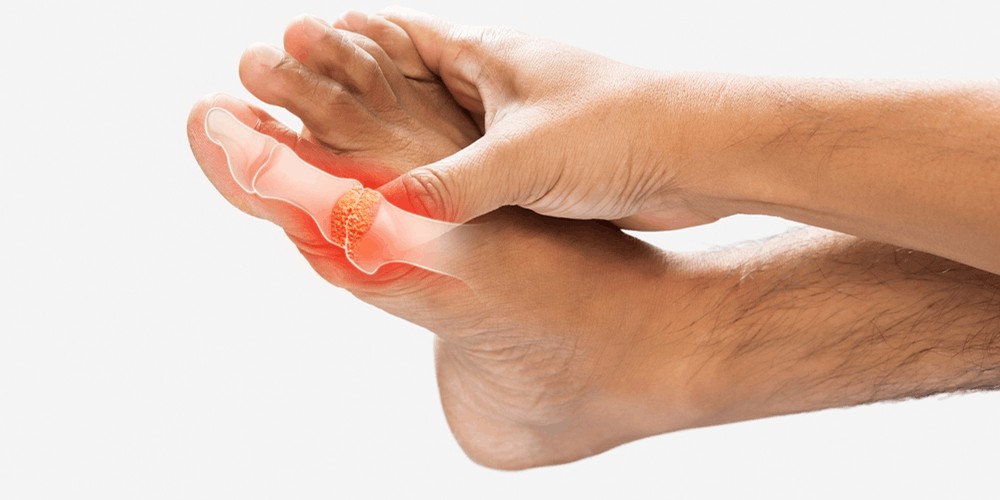
Gout happens when blood levels of uric acid become high enough that urate crystals form in a joint. Those crystals irritate the lining of the joint, and your body treats them like an invader. Commonly, gout affects the big toe, because the joint there is cooler and crystals form more easily, but it can strike other joints too.
You might be wondering whether gout is the same as regular arthritis. It is not exactly the same, because gout’s cause is crystal deposition, whereas other arthritis types have different underlying mechanics. Still, the result, painful, swollen joints, can look similar.
Why Does Gout Hurt So Suddenly?
Think of urate crystals as tiny splinters inside a joint. When they shift or increase, the immune system rushes in, sending inflammatory cells and fluid. That sudden immune attack is responsible for the sudden gout pain and the painful gout episode people describe.
In short, the crystals are the spark, and the inflammation is the wildfire. The swelling is confined by the joint capsule, so pressure builds quickly and the pain becomes intense, what many call a gout pain attack.
Symptoms of a Gout Flare Up
Common signs include:
- Intense, often throbbing pain in one joint.
- Redness and warmth over the joint.
- Rapid swelling, sometimes overnight, producing sudden gout swelling.
- Limited movement because the joint feels raw.
These symptoms of gout flare up typically arrive fast, peak within 24 hours, and often force people to change plans for a day or two.
What Triggers Gout, And Who’s at Risk?
Gout is linked to high uric acid. That can come from diet, body metabolism, reduced kidney clearance, or certain medicines. Family history matters too, so is gout hereditary has a yes sometimes, depending on genetics and lifestyle.
Common triggers include:
- Alcohol, especially beer.
- High-purine foods like organ meats and some seafood, which are examples of foods that cause gout.
- Rapid weight changes, dehydration, and certain diuretics.
Also, gout exacerbation can follow surgery, sudden illness, or heavy drinking. It helps to know these triggers because avoiding them lowers flare risk.
Foods To Eat with Gout, And Foods to Avoid
Limit
- Organ meats, shellfish, anchovies, sardines, and heavy alcohol.
- Sugary drinks and very high-fructose items.
Prefer
Low-fat dairy, whole grains, vegetables, cherries, and plenty of water, which are sensible choices when thinking about foods to eat with gout.
A simple food swap can reduce flare frequency, in addition to medical care.
Intercritical Gout Flare, The Quiet Period
Between attacks, many people feel fine; a phase called the intercritical gout flare. It’s tempting to ignore gout then, however that quiet period is important for prevention and long-term management.
Stages Of Gout
- Asymptomatic hyperuricemia, when uric acid is high but there are no symptoms.
- Acute gout flare, the sudden painful attack.
- Intercritical period, symptom-free intervals.
- Chronic gout, where repeated flares lead to tophi and longer-term joint issues.
Knowing the stage of gout helps guide treatment choices.
Gout Vs. Arthritis
Gout vs arthritis often becomes a search term because people feel confused. Osteoarthritis wears down cartilage slowly; rheumatoid arthritis is immune-driven and symmetric, while gout is crystal-driven, usually sudden, and often affects one joint at first.
Natural Remedies and Lifestyle Changes
Many people ask about natural remedies for gout or natural treatment for gout. Reasonable steps include weight management, staying hydrated, limiting high-purine foods, and moderating alcohol. Some mention apple cider vinegar for gout, however evidence is limited, so treat such tips cautiously.
Small, realistic changes add up, and they help whether a doctor prescribes urate-lowering therapy or not.
Managing An Acute Gout Attack
During a flare, practical steps matter:
- Rest and keep the joint elevated.
- Apply cold packs to reduce swelling, because yes, does ice help gout; it usually helps with pain and swelling.
- Over-the-counter pain relievers may help but consult a clinician for prescription anti-inflammatory or urate-lowering drugs, especially with acute gouty arthritis or frequent acute gout flare events.
If a flare comes with fever or spreading redness, seek urgent care.
How Long Does Gout Last?
A single acute gout attack often peaks within 24 hours and then eases over days to weeks. Once you understand what is gout and how it behaves in the body, it becomes clearer that how long does gout last depends on prompt treatment and prior history. Without treatment, or when triggers keep repeating, attacks can linger longer and return more often.
Research And Options at Northshore Research Associates
Gout can feel unpredictable, and that’s why clinical research plays an important role in improving care. At Northshore Research Associates, we study rheumatologic conditions to better understand flare patterns, treatment response, and long-term management. Patients often start by choosing to view rheumatology research studies to see how gout and similar conditions are being explored.
For those experiencing active symptoms, some studies focus specifically on managing sudden flares. These opportunities may be found under active acute gout flare trials, depending on timing and eligibility. Others prefer to explore a broader range of options, which is why many take time to view current research studies before deciding next steps.
If you want to learn more about participating or finding a nearby location, you can also explore clinical research at NRA Clinical to see how studies work and what participation involves.
Acute Gout Flare Clinical Trials
Explore active clinical trials for fast relief from acute gout flare pain
Conclusion, And What You Can Do Next
Gout has a way of interrupting life without much warning, which is often the hardest part. Over time, patterns start to appear, what triggers pain, what helps it settle, and what deserves medical attention.
Seeing the condition through that lens changes the experience. Instead of reacting to every flare, you begin to understand what is gout and what it is doing in your body and how your choices influence it. That awareness does not erase discomfort overnight, but it does create room for steadier days, fewer disruptions, and a clearer sense of what steps actually make a difference.
Frequently Asked Questions
How to stop gout pain at night?
Rest, elevate the foot, apply a cold pack, and use recommended anti-inflammatory medication. Call your doctor if pain is severe or unusual.
Is cheese bad for gout?
Most cheese is low in purines and can be a good protein choice, especially low-fat dairy, which may even be protective.
Is chicken bad for gout?
Chicken is moderate in purines; small portions, prepared simply, are generally fine for most people.
Can you die from gout?
Gout itself rarely causes death, however untreated chronic disease can lead to complications, and shared risk factors like kidney disease or heart disease affect long-term health.
Does ice help gout?
Yes, ice can reduce pain and swelling during an acute flare, use it in short sessions with a cloth barrier.