


Key Takeaways:
- What causes gout flare ups usually comes down to a spike in uric acid levels, not just one bad meal.
- Alcohol, red meat, seafood, and sugary drinks are the biggest dietary triggers.
- Gout moves through four distinct stages and catching it early changes everything.
- Stress and dehydration can trigger a flare even when your diet looks clean
- Most flares calm down in days with the right treatment, but repeated attacks need a rheumatologist
AI Overview
Gout flare-ups happen when uric acid crystals build up in a joint and trigger sudden, sharp inflammation. The most common answer to what causes gout flare ups includes high-purine foods, alcohol, dehydration, stress, and certain medications.
This guide breaks down every trigger, the stages of gout, symptoms to watch for, and when it’s time to call a doctor.
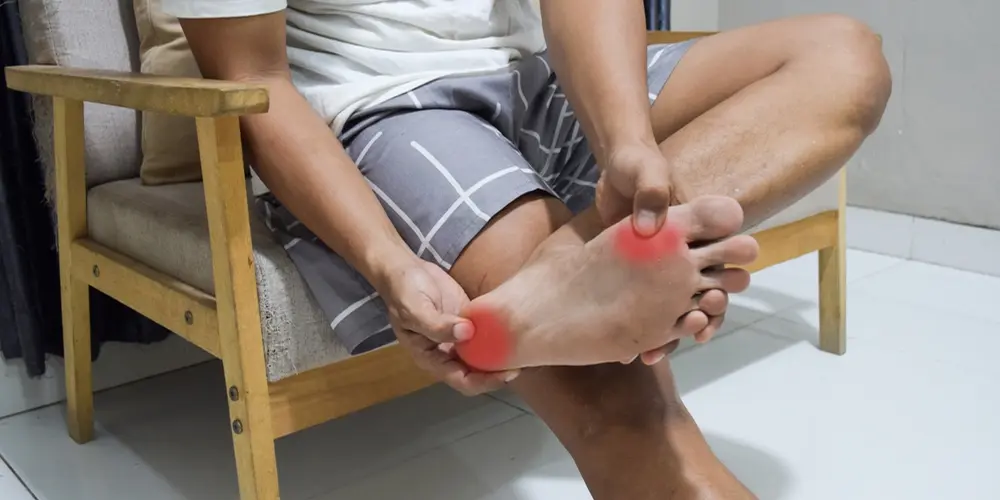
The 2 a.m. Wake-Up Call Nobody Wants Paragraph
Picture this. You go to bed fine. Three hours later, your big toe feels like someone dropped a brick on it and lit it on fire. You can’t stand a bedsheet touching it, let alone walk. This is gout, and for the millions of people who live with it, that midnight ambush is painfully familiar.
The frustrating part isn’t just the pain. It’s not knowing why it happened this time. You didn’t do anything different, or so you think. That’s exactly why understanding what causes gout flare ups matters so much. Once you know the real triggers, you can see them coming instead of getting blindsided.
Most people search for what causes gout flare ups only after their first attack. A little earlier would save a lot of pain.
What Causes Gout Flare Ups?
At the core, what causes gout flare ups is a buildup of uric acid in the blood. Your body makes uric acid when it breaks down purines, compounds found in your cells and in certain foods. Normally, the kidneys filter this out. When production outpaces clearance, uric acid crystallizes into sharp, needle-like shards inside a joint.
The immune system reacts to these crystals as it would to an intruder. White blood cells rush in, inflammation spikes, and within hours you’re dealing with a swollen, throbbing joint that’s hot to the touch.
Several factors push uric acid past its tipping point:
- Diet heavy in red meat, organ meat, and shellfish
- Alcohol, especially beer and spirits
- Sugary sodas and drinks sweetened with high-fructose corn syrup
- Dehydration
- Sudden weight loss or crash dieting
- Certain medications, including diuretics
- Underlying conditions like kidney disease or high blood pressure
- Genetics, since gout often runs in families
Signs and Symptoms of Gout Flare-Up
Recognizing the signs and symptoms of a gout flare-up early can help you act before things get worse. Common symptoms include:
- Sudden, intense pain, often starting in the big toe
- Throbbing pain that may worsen at night
- Joint swelling that can appear within hours
- Red or purplish, hot skin around the affected joint
- Extreme tenderness, even with light touch
- Limited range of motion in the affected joint
- Stiffness that may continue after the initial pain fades
- Fatigue or a low-grade fever in more severe cases
- Skin peeling or itching as swelling goes down
Some people notice warning signs a day or two before an attack, such as mild tingling or discomfort in the joint. Others experience a flare with little or no warning.
Gout commonly affects the big toe, but it can also involve the ankles, knees, elbows, wrists, and fingers. Symptoms often peak within 12 to 24 hours of onset, while attacks may last three to ten days without treatment. If you’re experiencing these symptoms for the first time or your gout flares are becoming more frequent, getting an accurate diagnosis is important to determine the right treatment and next steps.
Acute Gout Flare Clinical Trials
Explore active clinical trials for fast relief from acute gout flare pain
What Triggers Gout Flare Up
So, what triggers a gout flare up on a given day, even for someone managing their diet well? It’s rarely one single thing. Triggers stack up. A steak dinner plus a couple of beers plus a hot afternoon with low water intake is a perfect storm. Illness, surgery, minor joint injury, and even a sudden temperature change can also flip the switch.
Can Alcohol Cause Gout Flare Ups?
Yes, and it’s one of the strongest links researchers have found. Can alcohol cause gout flare ups? Beer carries the highest risk because it contains purines from yeast, on top of alcohol’s effect on the kidneys. Alcohol slows uric acid excretion, letting it accumulate in the blood. Spirits carry a similar risk, while wine in moderation appears to be less of a trigger, though heavy drinking of any kind raises the odds.
If you’re asking, can alcohol cause gout flare ups after a single night out, the honest answer is yes, it absolutely can, particularly if you’re already running high uric acid levels.
Does Chicken Cause Gout Flare Ups?
This one surprise people. Chicken sits in a grey zone. Compared to red meat and organ meat, chicken has moderate purine content, so does chicken cause gout flare ups the way steak or liver does? Not really, but portion size matters a lot here.
Skinless chicken breast in reasonable portions is generally fine for most people managing gout. Fried chicken, chicken skin, and large servings are a different story. So does chicken cause gout flare up in heavy quantities? It can contribute, especially paired with alcohol or sugary sides.
Does Soda Cause Gout Flare Up?
Sugary soda is a bigger problem than most realize. Does soda cause gout flare up? Research points to fructose as the culprit. When your liver metabolizes fructose, it produces uric acid, separate from purine intake. Regular soda drinkers show measurably higher gout risk than those who skip it.
Diet soda doesn’t carry the same fructose load, so does soda cause gout flare up regardless of type? Mostly it’s the sugary, high-fructose versions driving the risk.
Can Stress Cause Gout Flare Up?
Stress doesn’t get talked about enough here. Can stress cause gout flare up on its own? Indirectly, yes. Stress raises cortisol, disrupts sleep, and often leads to poor food choices and more alcohol. All that stacks the deck toward a flare, even without an obvious dietary trigger. Understanding the triggers is only part of the picture; knowing how gout progresses over time can also help you recognize when the condition is becoming more serious.
Stages of Gout
Gout doesn’t appear overnight. It moves through recognizable stages of gout:
- Asymptomatic hyperuricemia, where uric acid is elevated but no symptoms show up yet
- Acute gout, the first painful flare, often resolving within a week or two
- Intercritical gout, the quiet period between attacks where crystals may still be present
- Chronic tophaceous gout, where repeated flares lead to visible deposits called tophi and permanent joint damage
Catching gout in the earlier stages makes long-term joint damage far less likely.
What Is a Severe Gout Flare Up?
What is severe gout flare up compared to a mild one? Severity usually depends on how many joints are involved, how intense the pain is, and how long a gout flare last. A severe episode might involve multiple joints at once, fever, extreme swelling that limits movement entirely, or attacks that don’t respond to standard treatment within a few days. Severe or frequent flares are a signal that underlying uric acid levels need closer management, not just symptom control.
How to Treat Gout Flare Up?
Knowing how to treat gout flare up quickly can shorten the misery considerably.
- Rest the joint and keep weight off it
- Ice the area in short intervals to bring swelling down
- Stay hydrated to help flush uric acid
- NSAIDs, colchicine, or corticosteroids, as prescribed, to control inflammation.
- Elevate the affected limb when possible.
Most doctors recommend starting treatment within the first 24 hours of symptoms for the best results.
How to Reverse Gout Flare Up?
Long-term, how to reverse gout flare up patterns comes down to lowering baseline uric acid, not just treating each attack. That means consistent hydration, a lower-purine diet, limiting alcohol and sugary drinks, gradual weight management, and often a daily urate-lowering medication prescribed by a physician. Reversing the pattern takes months, not a single clean week.
When to See Doctor for a Gout Flare?
Knowing when to see doctor for gout flare matters just as much as home treatment. Reach out to a physician if:
- This is your first suspected gout attack
- Pain doesn’t improve within a few days of home treatment
- You develop a fever alongside joint swelling
- Flares are becoming more frequent
- You notice hard lumps forming near joints
- Symptoms affect multiple joints at once
A rheumatologist can run bloodwork, confirm uric acid levels, and build a long-term plan rather than just managing one flare at a time.
Acute Gout Flare Clinical Trials
Explore active clinical trials for fast relief from acute gout flare pain
Final Thoughts
Gout flares feel random, but they rarely are. Once you understand what causes gout flare ups, from alcohol and diet to stress and dehydration, the pattern usually becomes obvious in hindsight. The goal isn’t perfection; it’s catching the stacking triggers before they add up.
If you’re dealing with recurring flares that home treatment isn’t touching, it may be worth exploring options beyond the usual medication routine. For people whose gout continues to flare despite standard approaches, clinical research may offer another avenue to explore with a qualified healthcare professional.
Researchers are actively running an acute gout flare clinical trial for patients looking for newer treatment approaches, alongside broader clinical studies in Louisiana covering joint and inflammatory conditions. For those interested in participating, ongoing clinical trials for rheumatology are enrolling patients who want access to emerging therapies under medical supervision. Learn more at NRA Clinical Research.
FAQs
What to do for gout flare up?
Rest the joint, stay hydrated, use a cold compress, and take prescribed medication promptly.
How to reduce gout flare up?
To reduce gout flare-ups, manage uric acid levels by staying hydrated, avoiding trigger foods and drinks, maintaining a healthy weight, and taking prescribed medications as directed.
Why does gout flare up at night?
Overnight dehydration, body-temperature changes, and natural inflammatory changes may contribute to nighttime flares.
What to avoid during gout flare up?
Avoid alcohol, sugary drinks, high-purine foods, and unnecessary pressure on the affected joint.
How to treat a gout flare up in ankle?
Rest and elevate your ankle, apply a cold compress, stay hydrated, and use prescribed anti-inflammatory medication.