

Key Takeaways:
- Gout in the ankle occurs when uric acid crystals build up in the joint, causing sudden pain, swelling, and inflammation.
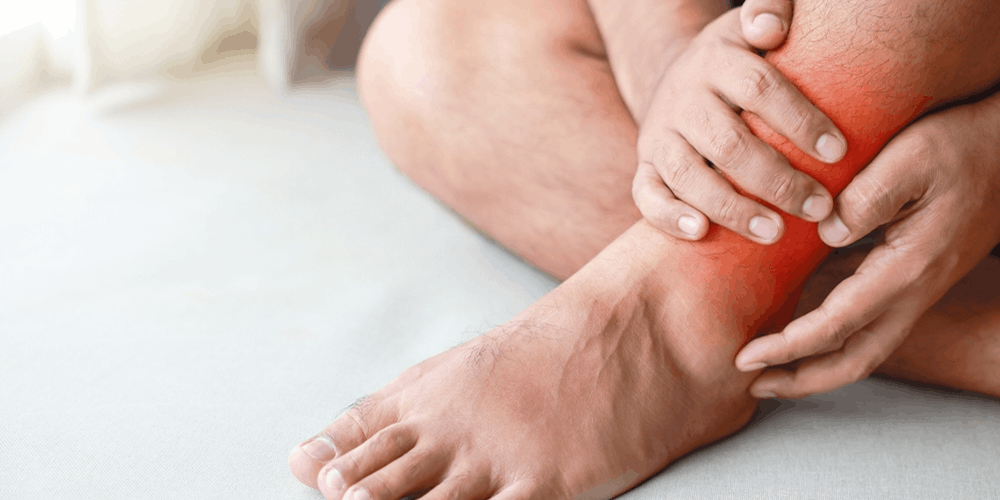
- Symptoms often include intense pain, redness, warmth, stiffness, and difficulty walking or putting weight on the ankle.
- Treatment focuses on reducing pain during flare-ups and lowering uric acid levels to prevent future attacks.
- Lifestyle changes like staying hydrated, maintaining a healthy diet, and limiting alcohol can help manage gout.
- Early diagnosis and proper care can significantly reduce flare-ups and protect long-term joint health.
Gout is a form of inflammatory arthritis that can strike suddenly and intensely. It commonly affects joints that bear weight, most often the big toe. But it can also involve the ankle, knee, and other areas of the body. This happens when uric acid builds up in the bloodstream and forms sharp crystals that settle in the joints.
What makes it especially challenging is how unexpectedly it can begin. One moment, everything may feel normal, and the next, the joint becomes swollen, warm, and extremely tender. Even the lightest touch or a simple step can feel unbearable, which turns your routine movement into a painful struggle.
In this blog, we’ll take a closer look at gout in the ankle. We will explore the causes, early signs to watch for, and the most effective ways to manage and treat it, so you can find relief and reduce the risk of future flare-ups.
What Is Gout and Why Does It Hit the Ankle?
Gout is a type of arthritis caused by a buildup of uric acid in your blood. When your uric acid levels get too high (a condition called hyperuricemia), the excess acid starts to crystallize. These sharp, needle-like monosodium urate (MSU) crystals settle into joints and surrounding tissue, triggering sudden and severe inflammation.
So why the ankle? The ankle is especially vulnerable because it carries a lot of body weight and is constantly in use. This makes it easier for uric acid crystals to settle there and cause a flare-up.
Another reason the ankle is often affected is due to temperature and circulation. Gout crystals tend to form more easily in cooler areas of the body, and joints that are farther from the core, such as the ankle, can be more prone to these painful attacks.
Research shows that men are three times more likely to develop gout than women. It tends to appear in women after menopause and in men after 40.
What Are 4 Stages of Gout?
Gout doesn’t appear out of nowhere. It moves through recognizable stages. Understanding the forms of gout helps you determine the right treatment approach.
Stage 1: Asymptomatic Hyperuricemia (Asymptomatic Phase of Gout)
Asymptomatic Phase of Gout is the earliest stage, where uric acid levels in the blood are higher than normal, but there are no visible symptoms yet. You won’t feel pain or swelling at this point, which makes it easy to overlook. However, crystal formation may already be starting in the joints and quietly setting the stage for future flare-ups.
Stage 2: Acute Gout Attack
This stage starts suddenly, often at night, with intense pain, swelling, redness, and warmth in the affected joint. When it involves the ankle, even standing or walking can feel extremely painful. These attacks can last for a few days to a week and may go away on their own. But they often return if not managed properly.
Stage 3: Intercritical Gout: H3
This is the period between gout attacks. Symptoms improve and the joint may feel normal, but uric acid levels stay high, so future flare-ups are still likely without treatment or lifestyle changes.
Stage 4: Chronic Tophaceous Gout:
This advanced stage occurs after repeated attacks. Uric acid crystals form visible lumps called tophi under the skin, often around joints. It can cause joint damage, stiffness, ongoing pain, and reduced mobility.
Why Gout in the Ankle Makes It Hard to Walk
During an active gout flare, walking can feel impossible. The ankle carries your entire body weight with every step. When uric acid crystals are actively inflaming the joint, pressure becomes Intense.
The pain is so sharp that some people can’t put any weight on the foot at all. Even shifting position in bed can trigger a flare of pain.
If you’re dealing with gout in ankle and can’t walk, here’s what you should do right now:
- Stop walking on it and rest the ankle completely.
- Elevate the foot above heart level to reduce swelling.
- Apply a cold pack (wrapped in a cloth) for 10–15 minutes at a time, no direct ice on skin.
- Stay well hydrated. Aim for at least 8 to 10 glasses of water.
Gout in Ankle Symptoms: What Does It Actually Feel Like?
Symptoms of gout in the ankle tend to follow a pattern. Here’s what people typically experience:
- Sudden, intense pain (often at night), described as burning or stabbing.
- Swelling around the ankle that can appear quickly.
- Redness and warmth over the affected joint.
- Extreme tenderness, even a light touch, can hurt.
- Stiffness and difficulty moving the ankle.
- In some cases, shiny or stretched skin over the joint.
Ankle Gout Causes
Gout has a single main cause: excess uric acid in the blood. However, several factors can contribute to raising uric acid levels and triggering a flare-up.
| Risk Factor | How It Contributes |
|---|---|
| High-purine diet (red meat, shellfish). | Purines break down into uric acid in the body. |
| Alcohol, especially beer and spirits. | Slows uric acid excretion through kidneys. |
| Sugary drinks (fructose). | Fructose metabolism increases uric acid production. |
| Obesity / high BMI. | Body produces more uric acid; kidneys struggle to clear it. |
| Kidney disease. | Reduces the kidneys’ ability to flush uric acid. |
| Diuretics (water pills). | Raise uric acid levels as a side effect. |
| Dehydration. | Concentrates uric acid in the bloodstream. |
| Family history / genetics. | Strong hereditary component, gene variants affect uric acid handling. |
| Hypertension, diabetes, metabolic syndrome | All independently raise uric acid risk |
How Is Gout in the Ankle Diagnosed?
Ankle gout is often misdiagnosed. It mimics infections, sprains, and other forms of arthritis. Getting an accurate diagnosis is critical before starting treatment.
Here’s what a typical diagnostic process looks like:
1. Medical History and Symptom Review
The doctor will first ask about your symptoms, how quickly the pain started, and whether you have had similar episodes before.
2. Physical Examination
The affected ankle is examined for signs like swelling, redness, warmth, and tenderness. Doctors also check how much movement is restricted and whether the pain pattern matches typical gout symptoms.
3. Blood Test
A blood test is used to measure uric acid levels. While high levels may suggest gout, they are not always definitive during an active flare-up, as uric acid can sometimes appear normal.
4. Joint Fluid Analysis
This is one of the most accurate ways to confirm gout. A small sample of fluid is taken from the affected joint and examined under a microscope to look for uric acid crystals.
5. Imaging Tests
In some cases, X-rays, ultrasound, or CT scans may be used to check for joint inflammation, crystal buildup, or to rule out other conditions like fractures or infections.
Gout in Ankle Treatment: What Actually Works
Can you get gout in your ankle and how is it treated?
Yes, you can get gout in your ankle. It occurs when uric acid crystals build up in the joint, causing sudden pain, swelling, redness, and difficulty moving the ankle.
Gout treatment focuses on two key goals: relieving the current flare-up and preventing future attacks. Managing both is important to reduce pain and protect joint health over time.
1. Treating the Flare-Up
When gout flares up in the ankle, the priority is to quickly reduce pain and inflammation. Doctors usually prescribe anti-inflammatory medications such as NSAIDs, colchicine, or corticosteroids depending on the severity of symptoms. These help control swelling and make movement more manageable.
Along with medication, rest plays a major role. Keeping weight off the affected ankle, elevating the foot, and applying a cold compress can significantly ease discomfort and reduce swelling. Even small steps like limiting movement during the flare can help speed up recovery.
2. Preventing Future Attacks
Once the pain subsides, long-term management becomes essential. Medications that lower uric acid levels may be recommended to prevent crystals from forming again in the joints.
Lifestyle changes also make a big difference. Staying well-hydrated, maintaining a healthy weight, and reducing foods high in purines, such as red meat, seafood, and sugary drinks—can help control uric acid levels. Limiting alcohol intake is also important for reducing the risk of future flare-ups.
With the right treatment approach, both immediate relief and long-term control of gout in the ankle are achievable.
Is Gout Linked to Genetics?
Yes, gout can be linked to genetics. If gout runs in your family, your chances of developing it are higher. This is because some people inherit genes that affect how the body processes uric acid.
In certain cases, the body may produce too much uric acid or the kidneys may not remove it efficiently. Over time, this can lead to a buildup of uric acid in the bloodstream, which increases the risk of crystal formation in the joints.
What Are the Natural Remedies for Gout?
If you’re looking for natural remedies for gout to use alongside medical treatment, there are several worth knowing about.
- Hydration: Drinking 8–16 cups of water daily helps the kidneys flush excess uric acid.
- Tart cherry juice: Studies show cherries may lower uric acid and reduce flare frequency through anthocyanin compounds.
- Lemon water: Adding fresh lemon juice to 2 liters of water daily helped reduce uric acid levels.
- DASH or Mediterranean diet: Both have shown benefit in reducing uric acid levels and gout risk.
- Vitamin C: Studies show supplementation can modestly lower uric acid. check with your doctor first.
What to Eat (and Avoid) During a Gout Flare
Foods to avoid or limit: Red meat and organ meats (liver, kidney), shellfish (shrimp, lobster, scallops), beer and spirits, sugary sodas and fruit juices, high-fructose corn syrup products, anchovies, sardines, tuna.
Foods that may help: Low-fat dairy (yogurt, milk, cheese), tart cherries and cherry juice, water (at least 8 glasses daily), coffee (moderate consumption), whole grains, vegetables, legumes, lemon water.
Clinical Trials & Research Opportunities
For patients looking to explore advanced treatment options, clinical research can provide additional pathways for care and innovation in gout management. Through ongoing studies, researchers continue to improve understanding and treatment of conditions like gout in the ankle.
You can browse rheumatology studies to explore broader research in joint and inflammatory conditions. If you are specifically interested in gout-focused research, you can also find gout treatment studies in Alexandria, LA to learn more about available opportunities.
These studies help support better treatment approaches and contribute to improving long-term outcomes for patients living with gout.
The Bottom Line
Gout in the ankle can be extremely painful and disruptive, but with the right understanding and timely care, it is a highly manageable condition. Early diagnosis, proper treatment, and consistent lifestyle changes can significantly reduce flare-ups and help protect long-term joint health.
For patients who want to go beyond standard treatment options, clinical research can offer additional support and access to emerging therapies. You can explore available clinical studies near Alexandria, Louisiana to learn more about ongoing opportunities that may support better management and care outcomes.
We, at Northshore Research Associates (NRA), also help patients find clinical trials to join in Alexandria, LA, offering access to research opportunities that may support advanced care and improved outcomes for gout and other conditions.
Frequently Asked Questions
What does gout feel like in the ankle?
It feels like sudden, intense pain with swelling, warmth, and extreme tenderness, often making movement very difficult.
How do you get rid of gout in the ankle?
Treatment includes anti-inflammatory medication, rest, hydration, and long-term uric acid control through diet and lifestyle changes.
How painful is gout in the ankle?
It can be severe and often described as burning or stabbing pain, sometimes making it hard to walk or even touch the joint.
What should you do for gout pain in the ankle?
Rest the ankle, keep it elevated, apply a cold compress, stay hydrated, and follow prescribed medications from a doctor.