

Key Takeaways:
- Foot ulcers affect millions of people with diabetes each year. They often start small and painless.
- Nerve damage, poor circulation, high blood sugar, and lifestyle factors like smoking or limited mobility increase risk.
- Effective care combines blood sugar control, proper wound care, advanced dressings, and sometimes surgery.
- Simple daily habits, such as keeping feet clean and dry, wearing the right shoes, trimming nails, and relieving pressure, can help prevent ulcers from returning.
- With timely attention and the right support, most foot ulcers can heal, helping you stay active and protect your mobility.
Diabetes can lead to various foot-related complications, such as infections, nerve damage, and slow-healing sores; the latter being one of the most common. According to research, over 500 million people live with diabetes, and between 19% and 34% of them will develop a foot ulcer at some point in their lives. A diabetic foot ulcer is a slow-healing open sore that develops due to nerve damage, poor circulation, and prolonged high blood sugar levels.
These ulcers often start small and painless, which is why they are frequently overlooked. Without timely care, they can worsen, leading to infection, hospitalization, or long-term complications. In this blog, we’ll explore how and why diabetic foot ulcers develop and why understanding them is key to protecting your feet and overall health.
What Causes Diabetic Foot Ulcers?
Diabetic foot wounds don’t appear overnight; they develop gradually, often without noticeable warning signs. However, following conditions contribute to its onset:
Nerve Damage (Peripheral Neuropathy)
High blood sugar can damage nerves in your feet, reducing your ability to feel pain, temperature, or pressure. Minor injuries like cuts, blisters, or friction from shoes may go unnoticed, giving wounds time to worsen into ulcers.
Poor Circulation
Diabetes can narrow or damage blood vessels, limiting blood flow to your feet. Reduced circulation slows the delivery of oxygen and nutrients needed for tissue repair. Even small cuts or sores can linger for weeks or months, increasing the risk of infection.
Poor Blood Sugar Control
Consistently high glucose levels disrupt your body’s natural healing processes:
- Damaging small blood vessels and further reducing circulation
- Promoting inflammation, which slows tissue repair
- Weakening the immune system, making infections harder to fight
Other Contributing Factors
- Obesity: Extra weight increases pressure on the feet, causing friction and skin breakdown
- Smoking: Nicotine constricts blood vessels and slows healing
- Poor Foot Hygiene: Neglecting to inspect, clean, or moisturize your feet can let small injuries turn into ulcers
- Limited Mobility: Less active or bedridden individuals are more prone to pressure sores due to prolonged pressure
Non-Diabetic Foot Ulcers: How They Differ From Diabetic Ulcers
Not all foot ulcers are caused by diabetes. Non-diabetic foot ulcers can develop due to pressure injuries, poor circulation from vascular disease, trauma, infections, or prolonged immobility. Unlike diabetic foot ulcers, they are not primarily driven by high blood sugar or diabetic nerve damage, and patients usually retain normal pain sensation, which allows earlier detection.
While both types of foot ulcers require proper wound care and pressure relief, diabetic foot ulcers carry a higher risk of infection, delayed healing, and recurrence due to impaired circulation and immune response. Identifying the underlying cause helps ensure the most effective treatment approach and prevents complications.
Symptoms of Diabetic Foot Ulcers
Knowing and recognizing diabetic foot ulcer symptoms can prevent serious complications. Common signs include:
- Open sore that doesn’t heal
- Redness, swelling, or warmth around the wound
- Drainage or pus
- Unpleasant odor
- Numbness or tingling
- Dark or dead-looking tissue
- Fever or increasing pain
Any persistent foot wound in a diabetic patient should be promptly evaluated by a healthcare provider.
Diabetic Foot Ulcer Stages
Diabetic foot wounds usually develop gradually. By understanding the stages, you can spot problems early and seek treatment before things get serious. Ulcers generally progress through three main stages: early, middle, and late.
Early-Stage Ulcer
At this stage, your foot may show signs of risk even before a noticeable wound appears:
- Skin may be thickened or callused
- Nerve damage may reduce sensation
- Minor injuries often go unnoticed, quietly setting the stage for an ulcer
Middle-Stage Ulcer
This is when an ulcer becomes visible:
- On the soles or toes (neuropathic ulcers)
- Along the edges of the foot (neuroischemic ulcers)
- Wound may go deeper, affecting skin, tissue, and muscle
- Redness, swelling, warmth, or discharge can signal infection
Timely medical attention at this stage is crucial to prevent worsening.
Late-Stage Ulcer
Advanced ulcers can cause tissue death (necrosis) or gangrene:
- Skin may darken, ooze pus, or emit a foul odor
- Sensation may be severely reduced or lost entirely
- Treatment may involve intravenous antibiotics, surgical drainage, debridement, or even amputation to prevent life-threatening complications
Treatment Options for Diabetic Foot Ulcers
Treating a chronic foot ulcer in diabetes requires care, patience, and often a team approach. Every patient’s ulcer and health profile are different, so treatment is personalized. Main options for diabetic foot ulcers include:
Keep Blood Sugar in Check
Stable glucose levels support faster healing. High sugar levels slow tissue repair, reduce circulation, and increase the risk of infections. Adjusting your diet, medications, or insulin under your doctor’s guidance can make a big difference.
Clean and Care for the Wound
Proper wound care is the first step in recovery:
- Gently clean the area using sterile saline or a provider-recommended solution
- Debridement removes dead or damaged tissue to create a healthy environment for healing
- Keep the ulcer covered with appropriate dressings
Dressings and Advanced Therapies
- Moist dressings protect the ulcer from drying
- Antimicrobial dressings prevent infection
- Advanced options include negative pressure wound therapy, bioengineered skin, or growth factor treatments to speed healing
Surgery and Advanced Procedures
For deep or complicated ulcers, your doctor may suggest:
- Revascularization: Improves blood flow to the foot
- Skin grafts or flaps: Cover large or slow-healing wounds
- Amputation: A last resort, only if infection or tissue death threatens life
Role of Clinical Research in Diabetic Foot Wound Care
Ongoing research is improving outcomes for diabetic foot wounds. Endocrinology clinical trials, and chronic foot ulcers in diabetes studies offer patients access to innovative treatments and advanced wound care options. At the NRA Clinical Research Associates, you can explore evidence-based studies focusing on chronic wounds and diabetes-related complications. By participating in active clinical research studies, patients can receive cutting-edge therapies while contributing to advancements that will help others in the future.
Diabetic Foot Ulcer Clinical Trials
Struggling with a non-healing diabetic foot ulcer
Conclusion
Managing diabetes involves a lot, monitoring blood sugar, taking medications, planning meals, and keeping up with appointments. It’s easy to forget about your feet, but they deserve attention too. Foot ulcers, when caught early, are treatable, and simple steps like keeping feet clean and dry, wearing proper shoes, trimming nails, and relieving pressure can prevent serious complications.
For advanced care, Northshore Research Associates (NRA) offers patient-centered clinical trials in Alexandria, LA, giving access to innovative therapies while contributing to medical breakthroughs. If you or your loved one is living with such conditions, you can explore Diabetic Foot Ulcer Studies to find potential management therapies.
Frequently Asked Questions
What does a diabetic foot ulcer look like?
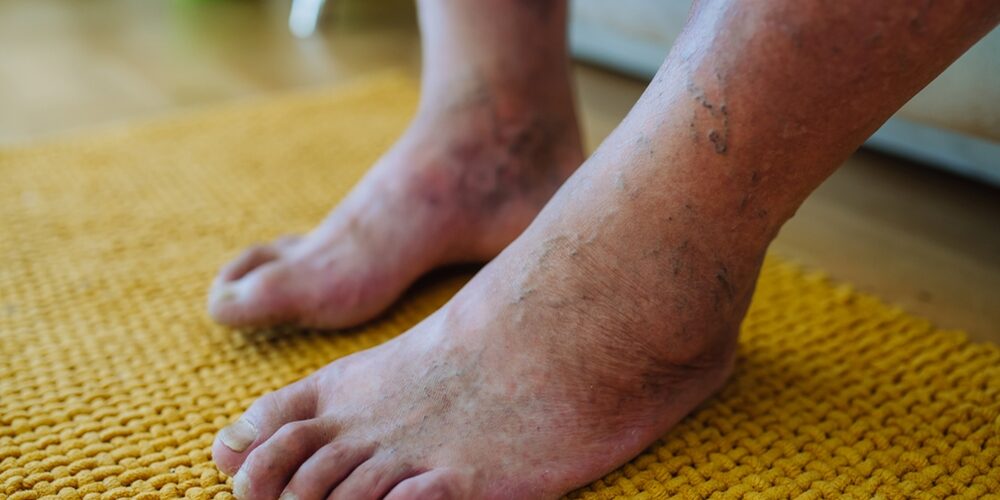
It may appear as an open sore, a deep wound, or a discolored area. The surrounding skin may be red, swollen, or warm. Severe cases may contain pus or have a foul odor.
What is the best dressing for a diabetic foot ulcer?
Moist, antimicrobial dressings are commonly recommended. They keep the wound clean, prevent infection, and create an ideal environment for healing.
How to clean a diabetic foot ulcer
Gently clean with sterile saline or a provider-recommended solution. Avoid harsh antiseptics unless specifically advised, and keep the area covered with clean dressings.
Can you die from a diabetic foot ulcer?
Yes, if untreated. Infection can spread into the bloodstream, leading to sepsis, a serious, potentially fatal condition.