

Key Takeaways
- Gout is a form of inflammatory arthritis caused by excess uric acid crystal buildup in the joints.
- A true “10 minute gout cure” does not exist, but some methods may provide fast temporary pain relief.
- Ice packs, hydration, rest, and anti-inflammatory medications may help reduce gout pain quickly.
- Early treatment during a gout flare can help shorten symptom duration and reduce inflammation.
Introduction
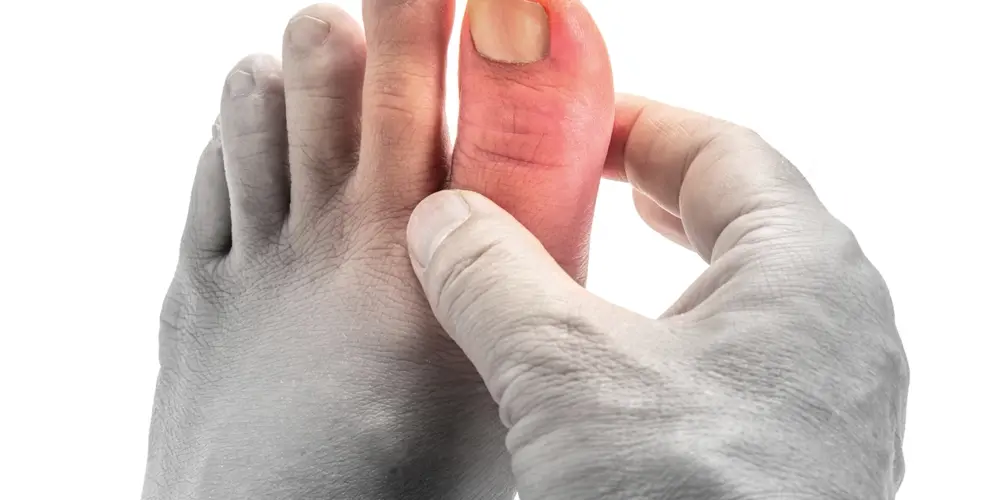
Gout is more than just a sore toe; it is a complex, inflammatory form of arthritis that can bring daily life to a grinding halt. Characterized by the sudden onset of excruciating pain, redness, and swelling, gout affects millions of people worldwide. When an attack strikes, the search for a 10 minute gout cure or immediate comfort becomes the only priority.
While a permanent cure in ten minutes is a medical myth, a 10-minute gout relief solution focusing on rapid symptom suppression is entirely possible. By combining clinical interventions with fast-acting gout pain relief tips, you can navigate the storm of an inflammatory flare and regain your mobility.
What is Gout?
Gout is a form of inflammatory arthritis caused by excess uric acid in the blood. When uric acid levels become too high, sharp crystals can form in joints and surrounding tissues, leading to sudden pain, redness, warmth, and swelling.
Gout most commonly affects the big toe, but it can also occur in the ankles, knees, wrists, elbows, and fingers. Many people experience severe pain during an acute flare, which is why searches for Immediate Gout Pain Relief and fast ways to reduce gout pain quickly are so common.
Gout develops due to factors such as:
- High uric acid production
- Poor kidney elimination of uric acid
- Diets high in purines
- Alcohol consumption
- Obesity
- Certain medications
- Genetics and family history
Stages of Gout
Understanding the progression of the disease is essential for long-term management. Gout typically moves through four distinct stages:
- Asymptomatic Hyperuricemia
- Acute Gout
- Intercritical Gout
- Chronic Tophaceous Gout
How Long Does Gout Last?
A common frustration for patients is that they keep thinking about how long gout lasts. Gout usually lasts:
Untreated: A typical acute flare can last anywhere from 7 to 14 days.
Treated Early: With the right fast-acting gout pain relief tips, the most intense pain usually subsides within 24 to 48 hours, with minor lingering stiffness for a few days.
If the pain persists beyond two weeks, it may indicate a transition into a more chronic state or an exceptionally high crystal load in the joint.
Is Gout Hereditary
Many people wonder, is gout hereditary? While gout itself is not directly inherited, genetics can play a significant role in increasing a person’s risk of developing the condition. Certain inherited genes may affect how the body processes and removes uric acid, making some individuals more susceptible to gout than others. However, lifestyle factors such as diet, weight, alcohol consumption, and overall health also contribute to gout development. Understanding the genetic connection can help individuals with a family history of gout take proactive steps to reduce their risk.
Immediate Gout Pain Relief
When a flare-up begins, the window for intervention is narrow. To achieve quick gout pain relief in minutes, follow this structured emergency protocol:
Rest The Affected Joint
Avoid walking or putting pressure on the painful joint. Elevating the area can help decrease swelling and inflammation.
Apply Ice Packs to The Affected Joints
Cold therapy is one of the most effective fast-acting gout pain relief tips. Apply an ice pack wrapped in a towel for 15–20 minutes at a time. Ice may help:
- Reduce inflammation
- Numb pain
- Decrease swelling
- Improve comfort during movement
Stay Hydrated
Drinking water may help the kidneys flush excess uric acid from the body. Proper hydration is often recommended as one of the fastest ways to reduce gout pain.
Avoid Alcohol and Sugary Drinks
Drinking heavily or regularly may increase a person’s risk of gout. Beer is high in purines, so avoiding it can benefit a person with gout.
How to Get Rid of Gout Pain Fast?
If you are looking for how to get rid of gout pain fast, medical intervention is often required alongside home care.
Anti-Inflammatories (NSAIDs): Over-the-counter options like ibuprofen or naproxen are the first line of defence. For maximum efficacy, they should be taken at the very first “tingle” of an attack.
Prescription Colchicine: This medication is specifically designed to stop gout inflammation. Taking it within the first 12 hours of a flare can significantly shorten the duration of the pain.
Corticosteroid Injections: In severe cases, a doctor may inject a steroid directly into the joint for relief that begins within minutes to hours.
How to Cure Gout?
It is important to be direct: There is no 10-minute permanent cure. However, you can effectively cure the symptoms and prevent future attacks by managing your serum urate levels.
How to cure gout effectively involves a two-pronged approach:
- Lowering Production: Using medications like Allopurinol or Febuxostat to stop the body from making too much uric acid.
- Increasing Excretion: Maintaining kidney health and using uricosuric agents to flush the acid out.
Dietary Adjustments: The Foundation of Care
While genetics set the stage, diet often pulls the trigger. Knowing which foods to avoid with gout can mean the difference between a peaceful night and an emergency room visit.
| Category | Foods to Include (Low Purine) | Foods to Limit/Avoid (High Purine) |
|---|---|---|
| Proteins | Low-fat dairy, eggs, nuts, tofu | Red meat, organ meats, game meats |
| Seafood | Salmon (in moderation) | Shellfish, sardines, anchovies, trout |
| Vegetables | Almost all (including spinach/asparagus) | None (plant purines are generally safe) |
| Drinks | Water, Coffee, Tart cherry juice | Beer, Grain liquors, Sugary sodas |
Ready for Something That Actually Works?
When traditional treatments let you down, it’s easy to feel stuck. For years, gout management relied on the same handful of drugs, often leaving patients with frequent, unpredictable attacks. Today, rheumatology clinical research is experiencing a massive wave of innovation.
Scientists are moving beyond basic pain relievers to develop advanced biologic therapies, highly targeted NLRP3 inflammasome inhibitors, and novel drugs designed to neutralize uric acid crystals right at the source. These studies aren’t just looking for minor improvements; they are redefining how the medical community interrupts the body’s inflammatory response.
When you join an acute gout flare clinical trial, you receive specialized care under the close supervision of leading specialists. These trials focus specifically on patients dealing with the intense, active phase of an attack. Here is what you can typically expect:
- Access to Investigational Treatments
- Comprehensive Medical Monitoring
- No Cost for Care
Acute Gout Flare Clinical Trials
Explore active clinical trials for fast relief from acute gout flare pain
Conclusion:
A sudden gout attack can be extremely painful, leading many people to search for a 10-minute gout cure or quick gout pain relief in minutes. While there is no true instant cure, evidence-based treatments and supportive home remedies may significantly reduce discomfort and help control inflammation quickly.
The best long-term strategy involves managing uric acid levels, avoiding triggers, following medical guidance, and seeking treatment early during flares. Understanding the causes, stages, and treatment options for gout can help reduce future attacks and improve overall quality of life.
Frequently Asked Questions
How long does it take for a diabetic foot ulcer to heal?
Some home strategies may help reduce symptoms quickly. Ice packs, hydration, rest, and anti-inflammatory medications may provide temporary relief during an acute flare.
What should I do in the first few minutes of a gout attack?
Rest the joint immediately, apply ice, elevate the affected area, drink water, and avoid alcohol or heavy meals. If prescribed medications are available, take them as directed.
How long does a gout flare usually last without treatment?
Untreated gout flares may last several days to two weeks depending on severity and overall health.
Can ice or heat help reduce gout pain quickly?
Ice is generally preferred during acute inflammation because it may reduce swelling and numb pain. Heat may worsen inflammation during an active flare.
What foods or drinks make gout pain worse during a flare?
Alcohol, sugary beverages, organ meats, shellfish, and red meat may worsen gout symptoms by increasing uric acid levels.
Is a 10-minute cure for gout actually possible?
No scientifically proven instant cure exists. However, some treatments may provide noticeable pain relief within minutes and improve symptoms more rapidly.