

Key Takeaways
- Full reversal is uncommon, but symptoms often improve with the right care.
- Early treatment gives you the best chance of a better outcome.
- Treating causes like high blood pressure, sleep apnea, and extra weight helps the heart fill better.
- Salt control, regular activity, and the right medicines can cut flare-ups and hospital stays.
- About half of heart failure cases are the diastolic type, so knowing your type matters.
Quick Answer
Sometimes. Heart failure rarely disappears completely, but many people feel much better with treatment. The answer depends on the cause and how early care starts. For example, treating high blood pressure, sleep apnea, or a fast heart rhythm can help the heart fill better. However, scar tissue and long-standing stiffness usually stay. If you want to know how to reverse diastolic heart failure, focus on the cause, your medicines, and daily habits. Therefore, aim for better function and fewer symptoms, not always a cure.
In this guide, you will learn how diastolic heart failure works and whether diastolic dysfunction can be reversed. Finally, you will see which steps and studies may help.
What Is Diastolic Heart Failure and Why Does It Happen?
Let’s start with the basics, because the answer to reversal depends on how this condition works.
How Does a Stiff Heart Affect Your Body?
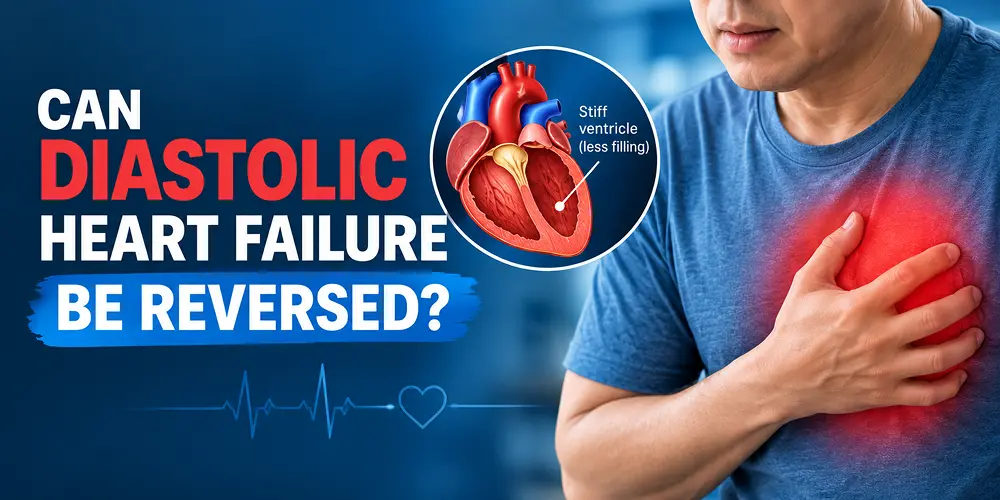
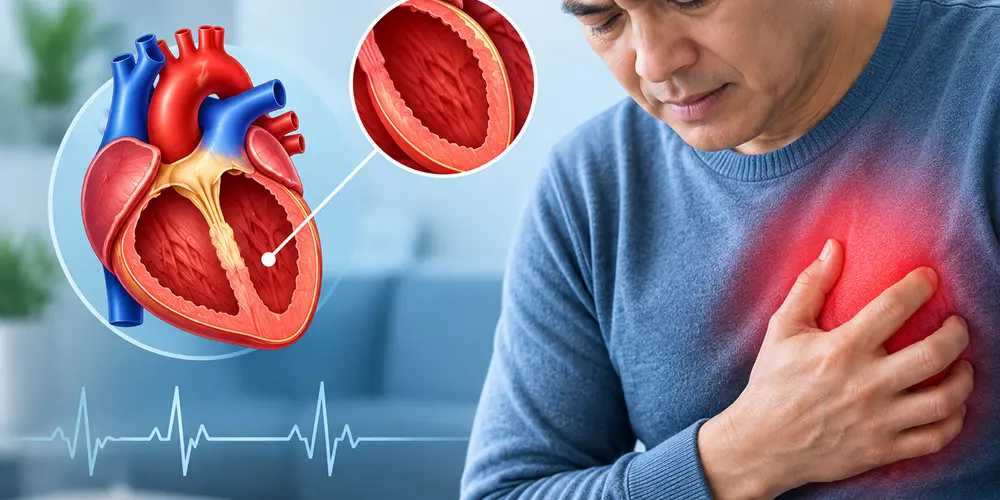
What is diastolic heart failure? In simple terms, the heart muscle becomes thick or stiff. It still squeezes well, but it cannot relax and fill with enough blood. As a result, blood backs up into the lungs and legs. You may notice shortness of breath, swelling, and tiredness. Common causes include long-term high blood pressure, diabetes, obesity, and aging. Doctors also call this type of heart failure with preserved ejection fraction, or HFpEF.
Is Diastolic Heart Failure Left or Right Sided?
Is diastolic heart failure left, or right? Usually, it starts on the left side, where the main pumping chamber sits. Is left sided heart failure systolic or diastolic? It can be either one. Therefore, “left” describes the side, while “systolic” or “diastolic” describes the problem. However, trouble on the left can strain the lungs over time. Consequently, right-sided heart failure may follow and cause swelling in the belly and ankles.
How Does It Differ from Other Types of Heart Failure?
Next, it helps to compare the main types, since each one responds differently to treatment.
Systolic vs. Diastolic: What Is the Difference?
Systolic heart failure is a pumping problem. The heart muscle is weak and pushes out too little blood. Diastolic failure is a filling problem. The muscle is stiff, so the chamber holds less blood. In both cases, fluid can build up, which is often called congestive heart failure. Meanwhile, acute heart failure describes a sudden flare that often needs hospital care. Chronic cases, by contrast, last for months or years.
Quick Comparison Table
This table shows the key differences briefly. Keep in mind that some people have features of both types.
| Feature | Diastolic | Systolic |
|---|---|---|
| Main problem | Heart is stiff and fills poorly | Heart is weak and pumps poorly |
| Ejection fraction | Normal (about 50% or higher) | Reduced (about 40% or lower) |
| Common causes | High blood pressure, obesity, diabetes, age | Heart attack, damaged muscle, viral illness |
| Typical symptoms | Breathlessness, swelling, fatigue | Breathlessness, swelling, fatigue |
| Treatment focus | Fluid control, risk factors, SGLT2 inhibitors | Several proven heart medicines, devices |
How Does Diastolic Heart Failure Progress?
Now let’s look at how the condition changes over time, since timing affects what you can reverse.
What Are the Stages of Diastolic Heart Failure?
The stages of diastolic heart failure follow the same A to D system used for all heart failure. Stage A means you have risk factors, such as high blood pressure, but no damage. Stage B means the heart has changed, yet you feel fine. Stage C brings symptoms like breathlessness. Stage D is advanced disease that needs specialist care. Furthermore, the earlier you act, the more room you have to improve.
What Is Chronic Diastolic Heart Failure?
Chronic diastolic heart failure is the long-term form of the condition. Symptoms come and go, and flare-ups can happen. How serious is diastolic heart failure? It is a real condition, but many people live for years with good care. Studies show that about half of people with heart failure live five years or more after diagnosis. However, your own outlook depends on your age, other conditions, and how well you follow treatment.
Can Heart Failure Be Reversed?
Here is the question that brings most readers to this page. The honest answer has two parts, and both matter.
Can Diastolic Dysfunction Be Reversed?
Can diastolic dysfunction be reversed? Sometimes, yes. The answer depends on what drives the stiffness. Reversible drivers include uncontrolled high blood pressure, excess weight, sleep apnea, and fast rhythms such as atrial fibrillation. Therefore, treating these triggers can let the heart fill better. In contrast, scar tissue from a past heart attack may not fully heal. Still, even partial gains can ease breathing and swelling. Your cardiologist can tell you which drivers apply to you.
Can Diastolic Heart Failure Improve?
Can diastolic heart failure improve? Research says yes for many people. Large trials found that SGLT2 inhibitors, a drug class first used for diabetes, lowered the risk of hospital stays. Likewise, studies of weight-loss medicines showed better symptoms in people with obesity. Exercise training also raised fitness in several trials. However, results vary, and no single treatment works for everyone. Overall, improvement is realistic, and it often starts within weeks of the right plan.
How to Reverse Diastolic Heart Failure?
You cannot control everything, but you can control a lot. These steps work best when you combine them.
Which Lifestyle Steps Help Most?
Ways to reverse diastolic heart failure start at home, and small habits add up.
- Limit sodium (salt) as your care team advises.
- Aim for gradual weight loss if you carry extra weight.
- Walk or exercise most days, with your doctor’s approval.
- Keep blood pressure and blood sugar in your target range.
- Quit smoking and cut back on alcohol.
- Ask about a sleep study if you snore or wake tired.
Also, weigh yourself each morning. A quick gain of two to three pounds can signal fluid buildup.
Which Medicines and Treatments Help in Diastolic Heart Failure?
Treatment usually combines several medicines. Water pills, called diuretics, remove extra fluid and ease breathing. In addition, SGLT2 inhibitors are now a common choice for this condition. Some doctors also add a drug that blocks the hormone aldosterone. Meanwhile, blood pressure control remains the foundation of care. If you want to know how to treat diastolic heart failure in Louisiana, ask your primary doctor for a referral to a heart failure clinic.
Where Do Clinical Trials Fit In?
Many of today’s best treatments began as research studies. That is why heart failure clinical trials matter so much for people with diastolic disease. This group has fewer proven options than people with systolic disease. As a result, researchers are testing new drugs, devices, and care plans. Participation is voluntary, and you can leave at any time.
Furthermore, cardiovascular clinical trials often include extra monitoring, which some people find reassuring.
Conclusion
Heart failure is rarely cured, but it often improves. Treating the root causes, taking your medicines, and changing daily habits can bring real relief.
So, can heart failure be reversed? In many cases, you can regain strength and slow the disease.
Likewise, the question “can diastolic heart failure improve?” has a hopeful answer for many people. Keep in touch with your healthcare team and ask whether a study might suit you. If you want to learn more, speak with a trusted CRO in Louisiana about current research options.
FAQs regarding Reversal of Diastolic heart Failure
Is diastolic heart failure left, or right?
It usually affects the left side of the heart. The left ventricle becomes stiff and cannot fill well. Over time, this can strain the right side too.
Is left sided heart failure systolic or diastolic?
It can be either. Systolic means the left side pumps weakly. Diastolic means the left side fills poorly. A heart ultrasound shows which type you have.
How long can you live with diastolic heart failure?
Survival varies widely. Many people live for years, especially with early care. Age, other conditions, and how well you follow treatment all play a role.
How serious is diastolic heart failure?
It is a serious, long-term condition, but it is manageable. Without care, it can cause repeated hospital stays. With treatment, many people stay active and stable.
How to treat diastolic heart failure in Louisiana?
Start with a cardiologist or heart failure clinic. Treatment includes fluid control, blood pressure care, and newer medicines. Local research sites may also offer clinical trials.