

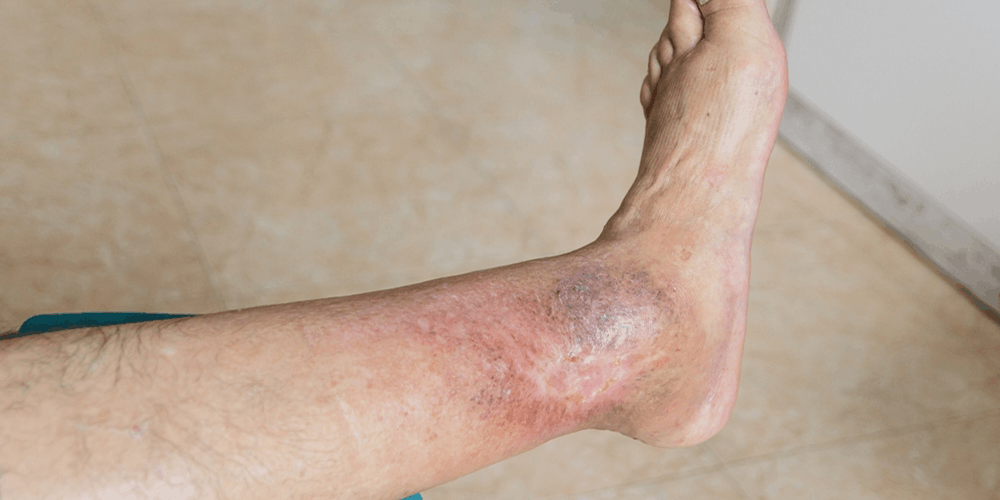
Key Takeways
- Early detection is crucial because small injuries or changes in the foot can develop into ulcers if not treated promptly.
- Diabetic foot ulcers differ from non-diabetic ulcers as they are caused by neuropathy and poor circulation and are often painless, while non-diabetic ulcers usually result from injury or venous issues and are often painful.
- Diabetic foot ulcers carry a high risk of complications, including infection, slow healing, deep tissue damage, and, in severe cases, amputation.
- Effective treatment involves off-loading, proper wound care, infection management, medications, and surgical interventions to help ulcers heal and prevent worsening.
- Healing time varies, with mild ulcers recovering in weeks and deeper or infected ulcers taking months, depending on blood sugar control, blood circulation, and infection status.
- Diabetic foot ulcer clinical trials play a key role in exploring potential new treatment options and supporting better recovery and patient outcomes.
Is Diabetic Foot Ulcer Dangerous?
Yes, a diabetic foot ulcer can be dangerous if not treated early. It can lead to serious complications like infection, tissue damage, and even amputation in severe cases. Proper wound care, blood sugar control, and early medical treatment can significantly reduce the risks.
A diabetic foot ulcer is an open sore or wound that develops on the foot of a person with diabetes. It usually forms when the skin breaks down, and the underlying tissue becomes exposed. This condition develops gradually, often starting from something as minor as a cut, blister, or pressure point. However, due to reduced healing ability in people with diabetes, even small injuries can worsen over time and turn into ulcers.
How Does a Diabetic Foot Ulcer Start?
A diabetic foot ulcer usually starts as a small injury or irritation on the foot. This can be a tiny cut, scrape, blister, or even a pressure point caused by poorly fitting shoes. In people with diabetes, these minor injuries often go unnoticed because nerve damage (diabetic neuropathy) can reduce sensation in the feet, so pain or discomfort may not be felt.
Over time, if the wound is not cared for properly, it can worsen. High blood sugar levels slow the body’s healing process and make it easier for infections to develop. Combined with poor circulation, which limits the supply of oxygen and nutrients to the area, this creates the perfect conditions for the ulcer to form and deepen.
Why Are Diabetic Foot Ulcers Dangerous?
Diabetic foot ulcers are dangerous because they can easily become infected and slow to heal due to poor blood flow and nerve damage. If untreated, they may lead to serious complications such as deep infections, tissue death, and even amputation. Early treatment and proper care are essential to prevent these risks. Below are the reasons why diabetic foot ulcers are dangerous:
1. Increased Risk of Infection
Diabetic foot ulcers can easily become infected. Even minor wounds allow bacteria to enter, and high blood sugar levels can weaken the immune system, making it harder to fight infections. If left untreated, infections can spread to deeper tissues, including muscles and bones.
2. Slow Healing
Poor blood circulation and nerve damage in people with diabetes slow down the healing process. Reduced blood flow means the wound receives fewer nutrients and less oxygen, delaying recovery and increasing the risk of complications.
3. Risk of Deep Tissue Damage
If ulcers are not properly managed, the wound can extend beyond the skin, affecting muscles, tendons, and even bones. This deep tissue damage can lead to severe pain, permanent injury, or disability.
4. Potential for Serious Complications
Untreated or severe diabetic foot ulcers can result in gangrene or amputation. They can also lead to long-term mobility issues, prolonged hospital stays, and a higher risk of life-threatening infections. Early detection and proper care are essential to prevent these outcomes.
Difference Between Diabetic and Non-Diabetic Foot Ulcer
Diabetic foot ulcers (DFUs) and non-diabetic foot ulcers differ in their causes, symptoms, and healing process. The main difference between diabetic and non-diabetic foot ulcers is that DFUs are primarily caused by nerve damage (neuropathy) and poor circulation, which often lead to painless wounds on pressure points. Non-diabetic ulcers, on the other hand, usually result from injuries or venous problems and are typically painful.
DFUs also heal more slowly because high blood sugar damages blood vessels and weakens the immune system. This delayed healing increases the risk of infection, recurrence, and even amputation.
Treatment of Diabetic Foot Ulcers
Treating diabetic foot ulcers requires proper wound care, infection control, and pressure management. Early treatment plays a key role in preventing complications and promoting faster healing.
1. Off-Loading (Reducing Pressure)
One of the most important steps in treatment is reducing pressure on the affected foot, known as off-loading. Walking or standing can worsen the ulcer and delay healing. Doctors may recommend:
- Special diabetic footwear
- Casts or foot braces
- Compression wraps
- Shoe inserts to prevent corns and calluses
These measures can help protect the ulcer and support recovery.
2. Wound Cleaning and Debridement
Doctors often perform debridement, which involves removing dead skin, infected tissue, or foreign material from the ulcer. This process promotes healing and reduces the risk of infection.
3. Infection Management
Infections are a serious complication and require immediate attention. The doctor may:
- Send tissue samples for lab testing to identify the right antibiotic
- Recommend imaging tests, such as X-rays, if a bone infection is suspected
Proper and timely treatment helps prevent the infection from spreading.
4. Proper Wound Care
Maintaining a clean and protected wound is essential. This includes:
- Regular dressing changes to keep the ulcer dry
- Disinfecting the surrounding skin
- Using specialized dressings, such as calcium alginate, to reduce bacterial growth
- Enzyme-based treatments to support healing
5. Medications
Depending on the severity, doctors may prescribe:
- Antibiotics to treat infections
- Antiplatelet or anticlotting medications to improve blood flow
These medications help control infection and support the healing process.
6. Surgical Treatment (If Needed)
In some cases, your doctor may recommend surgery to treat a diabetic foot ulcer. Surgical options can help relieve pressure on the ulcer by:
- Shaving down bone
- Correcting foot deformities such as bunions or hammertoes
Surgery is not usually required for every ulcer. However, if other treatments fail, surgical intervention can help the ulcer heal, prevent it from worsening, and reduce the risk of amputation.
The Role of Clinical Trials in Advancing Endocrinology Care
Clinical trials play a vital role in advancing care within endocrinology by helping researchers evaluate the safety and effectiveness of potential new treatments for hormone-related conditions. For example, in diabetic foot ulcers, a serious complication of diabetes, ongoing diabetic foot ulcer clinical trials are exploring investigational treatments to support natural healing, protect tissues, and improve recovery. By participating, patients may gain access to study treatments and have the opportunity to support progress in endocrinology research.
Diabetic Foot Ulcer Clinical Trials
Struggling with a non-healing diabetic foot ulcer
Conclusion:
In conclusion, diabetic foot ulcers are serious but manageable with early detection, proper wound care, infection control, and pressure relief. Maintaining blood sugar levels and following medical advice, such as taking medications or undergoing surgery when needed, can prevent complications. These measures support healing and improve the quality of life for people with diabetes.
Frequently Asked Questions
How to heal a diabetic foot ulcer?
Keep the wound clean, covered, and free from pressure by avoiding walking on the affected foot. Maintain good blood sugar control and follow proper wound care, including regular dressing changes. Seek medical care for infection treatment and debridement if needed.
How long does a diabetic foot ulcer take to heal?
Diabetic foot ulcers usually take several weeks to months to heal, with an average healing time of about 3–4 months. Mild ulcers may heal within 3–6 weeks, while deeper or infected wounds can take 12–20 weeks or longer, depending on blood sugar control, circulation, and infection.
What are the early signs of a diabetic foot ulcer?
Early signs of a diabetic foot ulcer include redness, swelling, warmth, calluses, or blisters, often on the sole or top of the foot. You may also notice drainage on socks, unusual odor, or skin discoloration (red, purple, or black). These wounds are often painless due to nerve damage, but may sometimes cause discomfort.