

Key Takeways
- Foot ulcers are open wounds on the foot that can develop for many reasons, not just diabetes.
- Non-diabetic foot ulcers often result from poor circulation, injury, or prolonged pressure on the skin.
- Diabetic foot ulcers are linked to nerve damage and reduced blood flow, and they carry a higher risk of infection and amputation.
- Early treatment is critical for both types. Waiting too long can lead to serious complications.
A small wound on your foot may not seem serious at first. However, foot ulcers can quietly worsen and lead to major health complications if you ignore them. Many people assume that only people with diabetes get foot ulcers. That is simply not true. In fact, several other conditions can cause these wounds too.
Understanding the difference between a non-diabetic foot ulcer and a diabetic foot ulcer matters. It affects how you get diagnosed, how doctors treat you, and how quickly you can heal. This blog covers the key differences, warning signs, and treatment approaches.
What Is a Foot Ulcer?
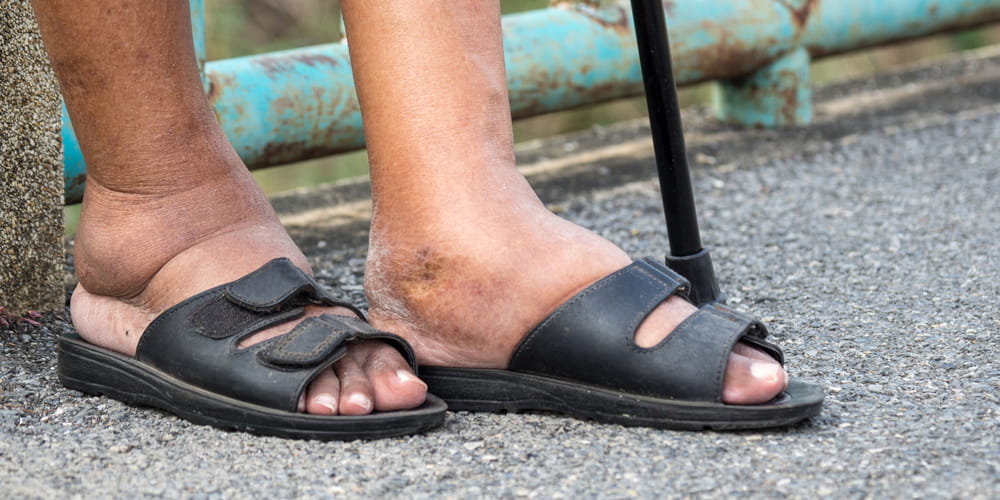
A foot ulcer is an open sore or wound on the surface of the foot. It can form on the skin or go deeper into the tissue, sometimes reaching muscle or bone. These wounds are not just painful; they can be hard to heal, especially when circulation or nerve function is poor.
How Does a Foot Ulcer Form?
Foot ulcers usually start with repeated pressure, friction, or reduced blood supply. When skin breaks down and does not heal fast enough, an ulcer forms.
Poor footwear, skin infections, and certain medical conditions all increase your risk. Furthermore, age and immobility can slow down the healing process and make even minor cuts turn into serious wounds.
What Is a Non-Diabetic Foot Ulcer?
A non-diabetic foot ulcer is an open wound on the foot that occurs without diabetes as the cause. These ulcers typically develop due to venous insufficiency, which means your leg veins struggle to send blood back to the heart. Other causes include arterial disease, chronic pressure on the skin, and injury.
Non-diabetic ulcers often appear on the lower leg, around the ankle, or on the heel. They may look irregular and feel quite painful. Because they do not involve diabetes, the treatment focus shifts to improving circulation and managing the wound.
Who Typically Develops a Non-Diabetic Foot Ulcer?
People with varicose veins, obesity, or a history of blood clots are at higher risk.
Similarly, those who spend long hours on their feet or who wear poorly fitting shoes may develop pressure-related ulcers.
Older adults, in particular, face a greater risk because their skin becomes thinner and heals more slowly. Consequently, routine foot checks become very important as you age.
What Is a Diabetic Foot Ulcer?
A diabetic foot ulcer is a wound that forms as a complication of diabetes.
High blood sugar damages the nerves in your feet over time. This damage is called peripheral neuropathy, and it means you may not feel pain, heat, or injury the way you normally would. As a result, a blister or small cut can go unnoticed and become a serious ulcer.
These ulcers usually appear on the ball of the foot, the tips of the toes, or other pressure points. They tend to have well-defined, punched-out edges. Diabetic foot ulcers account for a large share of lower-limb amputations worldwide.
Why Does Diabetes Make Ulcers Worse?
High blood sugar weakens the immune system. This makes fighting infections harder. Additionally, diabetes damages the small blood vessels in your feet, slowing the delivery of oxygen and nutrients needed for healing. Together, nerve damage and poor blood flow create conditions where even small wounds can escalate quickly. Therefore, keeping blood sugar levels under control is an essential part of ulcer prevention and treatment.
How Do These Two Types of Ulcers Differ?
While both types are open wounds on the foot, they differ significantly in their root causes, appearance, symptoms, and treatment needs. The key differences can guide your doctor toward the right diagnosis and care plan.
Below is a clinical summary to help you understand these distinctions at a glance.
Table 1: Clinical Comparison of Non-Diabetic vs Diabetic Foot Ulcers
| Feature | Non-Diabetic Foot Ulcer | Diabetic Foot Ulcer |
|---|---|---|
| Common Cause | Venous insufficiency, pressure, trauma | Neuropathy + poor blood flow |
| Pain Level | Usually painful | Often painless (nerve damage) |
| Wound Location | Lower leg, ankle, heel | Ball of foot, toes, pressure points |
| Wound Edges | Irregular, ragged borders | Punched-out, well-defined borders |
| Skin Color Changes | Brown staining, redness | Pale, bluish, or normal-looking skin |
| Wound Base | May be yellow or fibrous | Can be deep with visible tissue |
| Infection Risk | Moderate | High (due to immune impairment) |
| Healing Speed | Slow but manageable with care | Very slow; high recurrence rate |
| Amputation Risk | Low to moderate | Significantly higher |
| Primary Treatment Focus | Compression, wound care, vascular support | Blood sugar control, offloading, wound care |
As you can see, pain is one of the most telling signs. Non-diabetic ulcers are often painful, while diabetic ulcers can be completely painless due to nerve damage. This difference in sensation explains why diabetic foot ulcers are often caught late.
How Is Each Type Treated?
Treatment depends on the root cause.
For non-diabetic foot ulcers, doctors often use compression therapy to improve venous blood flow, wound cleaning, and dressings that keep the wound moist. Addressing the underlying vascular problem is key to helping the wound close.
For diabetic foot ulcers, managing blood sugar is the first priority. Offloading devices, such as special boots or casts, take pressure off the wound. Doctors also use advanced wound dressings, and in some cases, they recommend surgery to improve blood supply.
Both types benefit from close medical monitoring and regular wound checks to prevent complications.
When Should You See a Doctor?
You should see a doctor as soon as you notice any open sore on your foot that does not begin to heal within one to two weeks.
If you have diabetes, do not wait even that long. Check your feet daily and visit your care team at the first sign of redness, swelling, or a wound. Warning signs that need immediate attention include:
- A wound that produces pus or has a bad smell
- Redness or warmth spreading beyond the wound
- Fever or chills alongside a foot wound
- A wound that reaches down to bone or tendon
Early care saves limbs and lives. Do not delay getting a proper diagnosis.
Foot Ulcer Research
Medical research on foot ulcers has advanced considerably in recent years.
Clinical studies are investigating new wound care products, biological treatments, and ways to repair damaged nerves and blood vessels. This progress is especially important for patients in Louisiana, where the rate of diabetes and related complications remains high.
Northshore Research Associates is part of a network of trusted clinical research in Alexandria that works to connect patients with promising study opportunities.
The Alexandria Endocrinology Trials include ongoing work focused on wound healing in patients with metabolic conditions, including diabetes. These Alexandria, LA diabetic ulcer studies look at new therapies, monitoring tools, and care protocols designed to reduce amputation rates and improve quality of life.
If you or someone you know is living with a chronic foot ulcer, there may be available clinical studies in Alexandria, LA that are open to new participants. Taking part in research gives you access to emerging treatments under careful medical supervision. It also contributes to knowledge that helps future patients.
Diabetic Foot Ulcer Clinical Trials
Struggling with a non-healing diabetic foot ulcer
Conclusion
Non-diabetic and diabetic foot ulcers share one thing in common: both need prompt, skilled medical attention. However, the path to healing looks different for each. Understanding the cause of your wound, whether it is related to poor circulation, pressure, or diabetes, helps your care team build the right treatment plan.
Do not wait for a foot wound to worsen. Seek care early, keep your follow-up appointments, and ask your doctor about all available options.
If standard treatments have not fully worked for you, clinical research might offer a new path.