

Key Takeaways:
- Gout is a progressive inflammatory arthritis, caused by high uric acid levels that form crystals in joints.
- Understanding the stages and the types of gout can help patients recognize symptoms early and prevent complications.
- Symptoms may not appear initially, even though uric acid crystals may already be forming (asymptomatic stage).
- Acute gout attacks are sudden and painful, often occurring at night with swelling, redness, and heat.
- Chronic gout can cause joint deformity, persistent pain, kidney stones, and infections.
- Effective treatment and lifestyle changes can prevent progression, and most people do not reach the final stage.
- Management includes medications, hydration, low-purine diet, weight control, and regular monitoring.
- For evidence-based guidance and expert research support, connect with NRA Research Associates.
Gout is a form of inflammatory arthritis caused by elevated blood uric acid levels. This uric acid can form tiny crystals that settle in your joints, triggering inflammation, swelling, and intense pain. It affects roughly 12 million people in the United States, mostly older adults and men, and while its treatable, many people don’t recognize it early enough. In this guide, we’ll walk you through the four forms of gout, types of gout, what to look out for, and strategies to prevent it from progressing, so you can live an active, pain-free life.
What Is Gout?
Gout is a painful form of arthritis that develops when there’s excessive uric acid in the blood, a condition called hyperuricemia. Uric acid is something your body naturally produces when it breaks down substances called purines, which are found in everyday foods like red meat, seafood, and alcohol.
Under normal circumstances, uric acid dissolves in the blood, passes through the kidneys, and is excreted in urine. But when the body makes too much uric acid, or the kidneys can’t get rid of it efficiently, it starts to build up. Over time, this excess uric acid can form tiny, sharp crystals that settle in the joints and surrounding tissues.
If left untreated, this buildup drives the stages of gout which leads to long-term joint damage and ongoing discomfort, making early diagnosis and management especially important. However, for patients seeking advanced care, a clinical research center in the U.S. can provide access to specialized treatment for various gout progression stages.
Acute Gout Flare
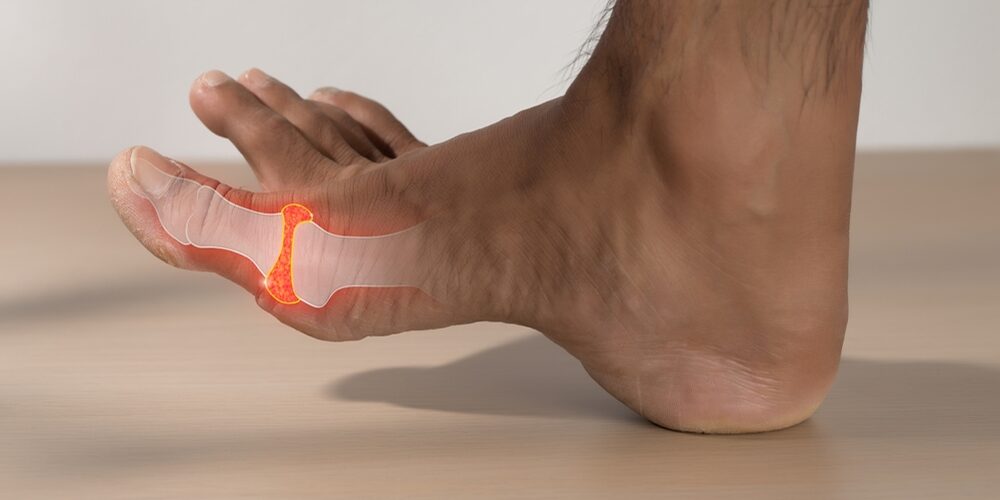
An acute gout flare is the sudden and painful phase of the disease caused by inflammation from uric acid crystal buildup. It often begins without warning, frequently at night, and leads to intense joint pain, swelling, redness, and warmth, most commonly in the big toe, but other joints can be affected as well.
Types of Gout:
Gout is classified into two main types of gout. When it develops without an identifiable cause, it’s primary gout. When caused by another health condition or external factor, it’s secondary gout. These forms of gout relate to the gout condition stages and can influence various treatment approaches. Moreover, we can further classify it as:
Primary Gout:
Primary gout is the most common type of gout, often influenced by genetics. It occurs when the body produces excess uric acid or eliminates it inefficiently, contributing to the gout development stages.
Secondary Gout:
Secondary gout occurs when another health condition or external factor causes uric acid levels to rise. Common causes include kidney disease, certain blood disorders, metabolic syndrome, or the use of medications such as diuretics, low-dose aspirin, and some chemotherapy drugs. These forms of gout affect the gout progression stages if not managed early.
4 Stages of Gout
Gout develops in four phases. The stages of gout explain how the disease starts quietly, escalates, and potentially causes joint damage if untreated.
Stage 1: Asymptomatic Gout (High Uric Acid Levels)
At this stage, uric acid is building up in your blood, but you might not feel anything. This is often called hyperuricemia. Most people don’t yet experience symptoms, but crystals may already be forming in your joints.
Risk factors include:
- Being overweight
- Kidney disease
- Certain medications, like diuretics
- Excess alcohol consumption
- Diabetes or an underactive thyroid
- Family history of gout
Even without pain, early action is crucial to slow down the stages of gout and prevent future attacks.
Stage 2: Acute Gout Flare
An acute gout flare marks a key point in the gout severity stages, often appearing as the first sudden and painful attack. The affected joint, most commonly the big toe, becomes swollen, red, and warm, though the ankle, knee, or wrist can also be involved.
Doctors confirm gout by examining joint fluid for uric acid crystals, which is essential because other conditions, such as pseudogout, can cause similar symptoms but need different treatment.
However, the treatment mainly focuses on:
- Reducing pain and inflammation with NSAIDs, corticosteroids, or colchicine
- Managing uric acid levels to prevent future attacks
- Diet adjustments, hydration, and avoiding high-purine foods
For individuals currently experiencing an acute flare, participation in an Acute Gout Flare study enrollment may offer access to investigational treatment options being evaluated through clinical research.
Stage 3: Intercritical or Interval Gout
Once a gout attack settles, you may enter a symptom-free period called intercritical gout. Even though the pain disappears, uric acid can still build up, which is why this phase is an important part of the gout. However, this symptom-free period is also called intercritical gout. While it can feel like everything is back to normal, uric acid may still be quietly building up in the body, setting the stage for future flare-ups.
- This phase is your best opportunity to take control. Sticking to a long-term management plan can help prevent future attacks and protect your joints. That includes:
- Taking uric acid-lowering medications as prescribed
- Drinking plenty of water
- Choosing foods low in purines
- Staying active and maintaining a healthy weight
Stage 4: Chronic Tophaceous Gout
If gout is left untreated, it can progress to chronic tophaceous gout. This stage is one of the final gout disease stages which is marked by the formation of tophi, hard deposits of uric acid crystals that can appear under the skin, in joints, or even in bones and cartilage.
Consequences of chronic gout can include:
- Persistent joint pain and stiffness
- Deformities in fingers, toes, or other joints
- Kidney stones
- Risk of infections in tophi (small lumps or deposits of uric acid crystals that form under the skin)
Fortunately, modern treatments can reverse or reduce tophi, relieve pain, and protect joint function. Most people who follow their treatment plan never reach the gout progression stages.
The Role of Clinical Research
Clinical trials continue to move gout treatment forward by giving patients access to emerging therapies while helping improve care for the wider gout community. Taking part in research can offer additional support in managing symptoms and slowing gout disease stages. In this regard, the Rheumatology clinical trials program play an important role in advancing new gout treatments and improving long-term patient outcomes.
Acute Gout Flare Clinical Trials
Explore active clinical trials for fast relief from acute gout flare pain
Conclusion
Gout is more than just a painful flare, it’s a chronic condition that can worsen over time if left unmanaged. However, most people can keep gout under control with the right blend of medication, lifestyle changes, and regular monitoring. By following the stages of gout and managing your uric acid levels consistently, you can significantly reduce flare-ups, protect your joints, and improve your quality of life.
While gout isn’t always preventable, early intervention and proper treatment can slow its progression and lower the risk of long-term complications. If you’re ready to explore advanced care options, you can browse clinical trial opportunities for gout and related rheumatology studies. And for reliable research, expert-backed insights, and guidance rooted in evidence-based care, connect with NRA Research Associates your partner in advancing gout and arthritis management.
FAQs
What is the last stage of gout?
Chronic tophaceous gout is a later phase in the gout development stages, occurring after frequent attacks and the buildup of uric acid deposits.
What can be mistaken for gout?
Conditions like pseudogout, rheumatoid arthritis, septic arthritis, or cellulitis.
Can gout make you lose your foot?
Severe, untreated gout can cause joint destruction, which in rare cases increases the risk of amputation.
Can gout spread to your heel?
Yes, it can affect the heel, ankle, and wrists across various stages of gout.
Can losing weight help with gout?
Yes, weight loss lowers uric acid levels and reduces flare-ups across gout condition stages.