

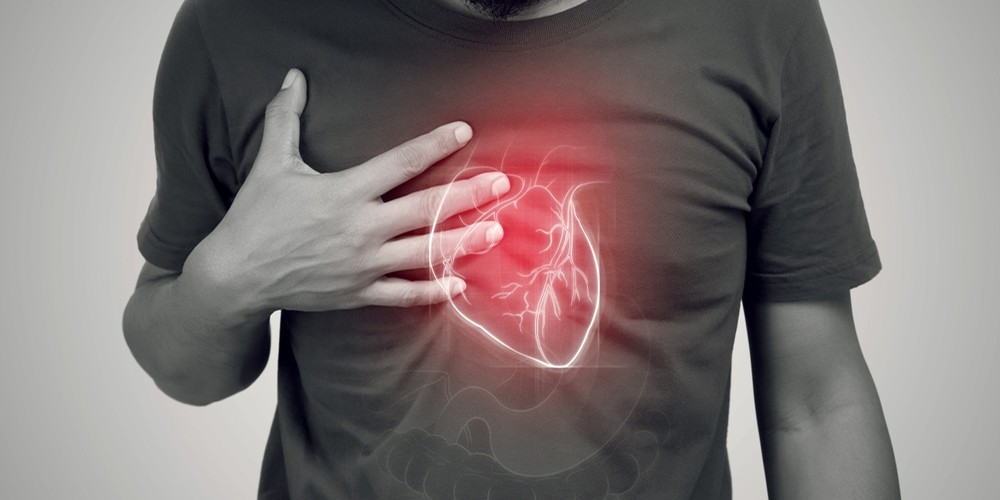
Key Takeaways:
- Acute heart failure is a medical emergency and can be life-threatening without immediate treatment.
- It happens when the heart suddenly can’t pump or fill properly, often causing fluid in the lungs and breathing difficulty.
- Symptoms like sudden shortness of breath, swelling, chest discomfort, or extreme fatigue need urgent medical care.
- Early diagnosis and treatment can save lives and reduce complications.
- Ongoing clinical research and heart failure trials improve treatment options and patient outcomes.
Yes, acute heart failure is life-threatening, especially if it is not treated immediately. When the heart suddenly stops working the way it should, the body doesn’t get enough oxygen to function properly. Vital organs such as the lungs and kidneys can be impacted very quickly. That’s why acute decompensated heart failure is considered a medical emergency; it needs immediate treatment and can’t be managed at home.
In this blog we will explain what acute decompensated heart failure is, why it’s dangerous, and when to seek urgent care, along with how advances in treatment and clinical research are improving outcomes.
What Is Acute Heart Failure?
Acute heart failure occurs when the heart suddenly struggles to pump or fill with blood effectively. This results in poor circulation, reduced oxygen delivery to the body, and often fluid in the lungs from heart dysfunction. Therefore, the sudden decline, also called rapid-onset heart failure, can be life-threatening and requires emergency heart failure care.
In the United States, about 1.5 million people are admitted for acute heart failure each year, accounting for roughly 25% of all heart failure cases. This highlights just how common and serious sudden heart problems can be, making early recognition and prompt treatment crucial.
Many cases happen as a rapid worsening of existing heart disease, known as acute decompensated heart failure. However, it can also occur unexpectedly in people with no prior heart issues, making it particularly dangerous. When the heart is not working well, pressure builds up in the heart and lungs, leading to severe symptoms such as shortness of breath, swelling, and extreme fatigue.
To better understand why this happens, it helps to look at how heart failure affects the heart over time.
Many people often ask, “What is diastolic heart failure? It refers to a condition where the heart becomes stiff and struggles to fill properly with blood.
In contrast, systolic heart failure occurs when the heart cannot pump effectively.
If not managed, these underlying conditions can increase the risk of a sudden episode like acute heart failure.
Is Acute Heart Failure Life-Threatening?
Absolutely, emergency heart failure is a life-threatening condition that demands immediate attention. When the heart suddenly can’t pump properly, it can trigger serious complications like breathing difficulties, kidney problems, or fluid in the lungs from the heart, also called pulmonary edema. In fact, in-hospital mortality for acute heart failure ranges from 4% to 18%, highlighting just how critical timely treatment is.
Many people mistake acute decompensated heart failure for a heart attack because symptoms like chest tightness, shortness of breath, and extreme fatigue overlap. However, both are distinct medical emergencies, and any delay in intervention can rapidly worsen the patient’s condition and increase the risk of severe complications or death.
Common Symptoms of Acute Heart Failure
You should seek help immediately if you notice any of the following:
- Sudden or severe shortness of breath
- Fluid in the lungs from the heart, causing coughing or a feeling of suffocation
- Chest pain or pressure
- Rapid swelling in legs, abdomen, or ankles
- Sudden weight gain due to fluid retention
- Extreme fatigue, dizziness, or confusion
- Rapid or irregular heartbeat
These signs indicate emergency heart failure and require immediate medical attention.
What Causes Acute Heart Failure?
Emergency heart failure can be triggered by multiple conditions or behaviors, including:
- Heart attack or reduced blood flow to the heart
- Sudden spikes in blood pressure
- Abnormal heart rhythms (arrhythmias)
- Heart valve disease
- Severe infections or kidney failure
- Poor adherence to prescribed medications or excess fluid intake
In patients with pre-existing heart disease, these triggers often lead to acute decompensated heart failure, where symptoms worsen suddenly despite prior stability.
Types of Acute Heart Failure
Sometimes, doctors categorize acute decompensated heart failure based on whether you already have a known heart condition. These categories help guide treatment and understand what triggered the sudden episode.
Acute Decompensated Heart Failure (ADHF)
This is the most common form of acute decompensated heart failure and happens in people who already have heart disease. In many cases, the heart struggles to pump blood effectively, a condition often referred to as a heart squeezing problem. This reduced pumping strength can lead to sudden symptoms like shortness of breath, swelling, or extreme fatigue. Since many patients with ADHF have multiple heart-related conditions, identifying the exact trigger can be tricky, but urgent care is always crucial.
De Novo Acute Heart Failure
De novo acute heart failure occurs in people with no prior history of heart disease. In some cases, the heart muscle becomes stiff and cannot relax properly, creating a condition known as high-pressure heart failure. This stiffness leads to pressure buildup in the heart and lungs, causing sudden symptoms such as shortness of breath and fluid retention, even when the heart’s pumping ability is normal.
Acute vs Chronic Heart Failure
Acute decompensated heart failure develops suddenly, often triggered by a stressor on the heart, while chronic heart failure develops gradually over time. Acute episodes may occur in someone with chronic heart disease or even in a person previously undiagnosed.
Both conditions fall under the broader umbrella of congestive heart failure, which refers to the heart’s reduced ability to pump blood effectively, leading to fluid buildup in the body. As congestive heart failure progresses, it advances through defined congestive heart failure stages, ranging from mild symptoms during physical activity to severe breathlessness and fatigue even at rest.
The key difference is urgency; acute decompensated heart failure is an emergency heart failure situation, while chronic heart failure is managed long-term with medications and lifestyle adjustments.
Who Is Most at Risk?
People more likely to experience emergency heart failure include:
- Adults over 65
- Individuals with coronary artery disease, diabetes, or high blood pressure
- Patients with kidney disease or previous heart failure
- Lifestyle factors: high salt intake, alcohol use, or skipping medications
How Is Acute Heart Failure Diagnosed?
Doctors perform a combination of exams and tests to confirm emergency heart failure:
- Medical History & Physical Exam: Detects underlying conditions, listens to abnormal heart rhythms, and checks for swelling.
- Blood Tests: Measure markers like BNP or NT-proBNP to indicate heart strain.
- Chest X-ray: Detects fluid in the lungs from the heart or an enlarged heart.
- Electrocardiogram (ECG/EKG): Reveals arrhythmias or previous heart damage.
- Echocardiogram: Assesses heart pumping ability, chamber size, and valve function.
- Stress Tests / Advanced Imaging: Examine heart performance under physical exertion or in more detail.
However, early diagnosis allows doctors to act quickly, improving recovery and reducing complications.
Treatment Options For Acute Heart Failure
Treatment focuses on supporting the heart, relieving symptoms, and preventing future episodes. Here are some changes you can make:
Lifestyle Changes
- Limit salt and fluids
- Maintain a healthy weight
- Exercise moderately as advised by your doctor
- Quit smoking and limit alcohol
Medications
- ACE inhibitors or ARBs: Relax blood vessels and reduce heart strain
- Beta-blockers: Improve heart pumping efficiency
- Diuretics: Remove excess fluid and ease breathing
- Aldosterone antagonists: Prevent further heart damage
Devices & Procedures
- Implantable cardioverter-defibrillators (ICDs) to prevent dangerous rhythms
- Cardiac resynchronization therapy (CRT) for improved pumping
- Valve repair, bypass surgery, or, in severe cases, heart transplant.
Prognosis: How long can you live with heart failure?
One of the most common questions patients ask is, “How long can you live with heart failure?” The answer varies widely depending on the type, stage, and how early the condition is diagnosed. Some people live many years with well-managed heart failure through medications, lifestyle changes, and regular monitoring. Others may experience faster progression if the condition is severe or not treated in time. Early intervention and consistent care play a major role in improving both quality of life and long-term outcomes.
How Clinical Research Is Improving Outcomes?
Innovations in heart and vascular clinical research are changing the way emergency heart failure is diagnosed and treated. Moreover, clinical trials for heart failure and active clinical research trials are exploring new medications, advanced monitoring tools, and targeted interventions that help patients recover faster, reduce hospital readmissions, and improve daily life.
Through programs like NRA Clinical Research Studies, patients can participate in these studies, gaining early access to promising treatments while contributing to discoveries that shape better care for everyone facing rapid-onset heart failure.
Other Types Of Heart Failure
Final Thoughts
Rapid-onset heart failure is a medical emergency; however, delay in care can quickly lead to severe outcomes. While there’s no cure, treatments, lifestyle changes, and cardiac rehabilitation can improve heart function and quality of life. Due to the advancement in heart failure clinical trials, patients now have better options and hope. One should always listen to their body; if any symptoms occur, they should seek immediate help to save their life.
Frequently Asked Questions
What is acute heart failure?
It’s a sudden condition where the heart cannot pump or fill properly, reducing oxygen delivery and requiring urgent care.
Is acute heart failure life-threatening?
Yes. Without immediate treatment, it can lead to respiratory failure, organ damage, or death.
What causes acute heart failure?
Common triggers include heart attacks, high blood pressure, arrhythmias, infections, kidney disease, or skipping medications.
How is acute heart failure different from chronic heart failure?
Acute heart failure develops suddenly and is an emergency condition, while chronic heart failure develops gradually and is managed over time.
Who is most at risk of emergency heart failure?
Older adults, people with heart disease, diabetes, hypertension, and kidney disease, are at most risk.
When should you go to the emergency room for emergency heart failure?
Seek help immediately if you experience sudden shortness of breath, chest pain, swelling, or severe fatigue.